

SpecTape
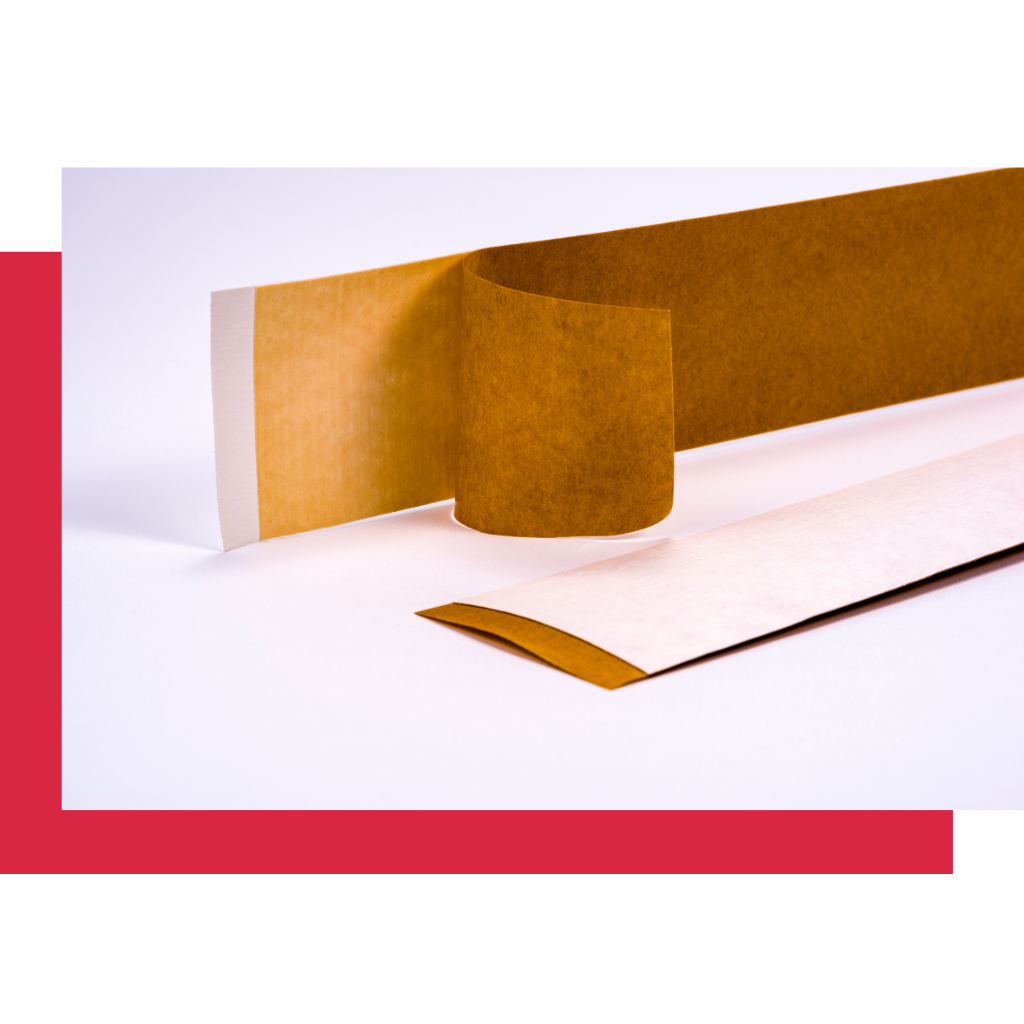
Choosing the Right Double Coated Adhesive Carrier
Choosing the Right Double Coated Adhesive Carrier
Choosing the right carrier for your double coated adhesive needs can be confusing at first look. SpecTape is here to guide you through this decision. Here’s a detailed comparison of polyester (PET), polyethylene (PE), and polypropylene (PP) carriers in a double-coated adhesive, focusing on their unique properties and ideal applications:
1. Material Properties
Polyester (PET):
- Tensile Strength: High tensile strength; strong and rigid.
- Flexibility: Stiff and less conformable compared to PE and PP.
- Temperature Resistance: Excellent heat resistance (up to 150–200°C).
- Chemical Resistance: Outstanding resistance to solvents, oils, and most chemicals.
- Dimensional Stability: Superior dimensional stability under stress or temperature variations.
- Surface Energy: High, making it easy to bond with adhesives.
- Durability: Highly durable and suitable for long-term use in demanding environments.
Polyethylene (PE):
- Tensile Strength: Low tensile strength; soft and flexible.
- Flexibility: Very flexible and conformable, making it ideal for irregular surfaces.
- Temperature Resistance: Limited heat resistance (melting point 80–130°C).
- Chemical Resistance: Good resistance to moisture and some chemicals but less resistant to harsh solvents.
- Dimensional Stability: Poor dimensional stability, especially under heat or stress.
- Surface Energy: Moderate, aiding in adhesive bonding.
- Durability: Less durable compared to PET and PP, especially in demanding applications.
Polypropylene (PP):
- Tensile Strength: Moderate to high tensile strength; more rigid than PE but less than PET.
- Flexibility: Less flexible than PE but more than PET.
- Temperature Resistance: Better heat resistance than PE (melting point 130–170°C).
- Chemical Resistance: Excellent resistance to moisture, oils, and chemicals.
- Dimensional Stability: Better dimensional stability than PE but less than PET.
- Surface Energy: Low, which can make adhesive bonding challenging without surface treatments.
- Durability: Resilient to fatigue and suitable for repeated flexing.
2. Adhesion and Compatibility
- Polyester (PET): Offers a stable, smooth surface for adhesives; ideal for applications requiring consistent, high-performance bonding.
- Polyethylene (PE): Conforms well to uneven surfaces and works for applications needing a softer bond.
- Polypropylene (PP): Requires surface treatments for strong adhesive bonding but offers good chemical resistance once bonded.
3. Mechanical Properties
- Polyester (PET): Strong and rigid; resists stretching and tearing.
- Polyethylene (PE): Soft and pliable; stretches under stress.
- Polypropylene (PP): Balanced strength and flexibility; less prone to cracking under flexing compared to PET.
4. Environmental Performance
- Polyester (PET): Performs well in extreme conditions, including high temperatures and harsh chemical environments.
- Polyethylene (PE): Retains flexibility in cold environments but degrades under prolonged UV exposure without stabilizers.
- Polypropylene (PP): Performs well in warm environments; resistant to UV degradation and environmental stress cracking.Set featured image
5. Cost
- Polyethylene (PE): Typically the least expensive.
- Polypropylene (PP): Slightly more expensive than PE but less costly than PET.
- Polyester (PET): The most expensive due to its superior performance and durability.
6. Common Applications
- Polyester (PET):
- High-performance industrial, automotive, and aerospace applications.
- Environments with high temperatures or chemical exposure.
- Polyethylene (PE):
- Lightweight, conformable applications such as packaging, sealing, and cushioning.
- Indoor or light-duty applications where flexibility is essential.
- Polypropylene (PP):
- Applications requiring a balance of durability, chemical resistance, and moderate cost.
- Industrial, automotive, and consumer goods with moderate environmental demands.
Summary of Key Differences
| Property | Polyester (PET) | Polyethylene (PE) | Polypropylene (PP) |
| Tensile Strength | High | Low | Moderate |
| Flexibility | Low | High | Moderate |
| Heat Resistance | Excellent (up to 200°C) | Limited (80–130°C) | Good (130–170°C) |
| Chemical Resistance | Excellent | Good | Excellent |
| Dimensional Stability | Excellent | Poor | Moderate |
| Cost | High | Low | Moderate |
Choosing the Right Carrier
- Use Polyester (PET) for high strength, heat resistance, and chemical resistance in demanding environments.
- Use Polyethylene (PE) for softness, flexibility, and lightweight applications where cost is a concern.
- Use Polypropylene (PP) for a balance of durability, heat resistance, and flexibility, particularly in moderately demanding applications.