
SpecTape

Exploring the Bond: A Guide to Rubber, Acrylic, and Silicone Adhesives
In the expansive world of adhesives, choosing the right one for your project can be a sticky situation. Whether you’re bonding materials for crafting, construction, or industrial applications, the type of adhesive you select can significantly impact the success of your project. SpecTape, Inc. can help in guiding you to the correct adhesive for your application but understanding all of these is important as well. Below, we’ll delve into three popular types of adhesives—rubber, acrylic, and silicone—exploring their pros, cons, and unique characteristics.
1. Rubber Adhesive: The Flexible Gripper
Pros:
Flexibility: Rubber adhesives are known for their flexibility, making them an excellent choice for plastics and a variety of other surfaces
Economical: rubber adhesives are generally cheaper than acrylic and silicone
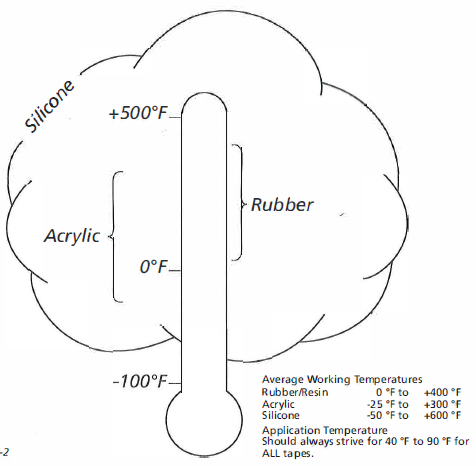
Temperature Resistance: Many rubber adhesives can withstand a wide range of temperatures, maintaining their bonding strength in both hot and cold environments
Cons:
Limited Strength: While rubber adhesives are flexible, they may lack the sheer strength required for heavy-duty applications.
Aging and Weathering: Some rubber adhesives may be prone to aging and weathering, especially when exposed to harsh environments and sunlight.
2.Acrylic Adhesives: The Bonding Powerhouse
Pros:
High Strength: Acrylic adhesives are renowned for their exceptional bonding strength, making them ideal for load-bearing applications.
Durability: Resistant to UV radiation and weathering, acrylic adhesives maintain their performance over time, ensuring a durable bond.
Versatility: Acrylic adhesives can bond a wide variety of materials, including metals, plastics, and composites, making them versatile for diverse applications.
Cons:
Brittleness: Acrylic adhesives, while strong, can be relatively brittle compared to rubber products. This makes them less suitable for applications where flexibility is a critical factor.
Cost: Acrylic adhesives are generally 1.5 to 2.5 times more expensive than rubber adhesives
3.Silicone Adhesives: The High Heat Go-To
Pros:
High Heat: Silicone adhesives are the best bet for anything involving high heat. Some silicones can work in applications up to 500°.
Water and Weather Resistance: Silicone adhesives are highly resistant to water and weather, making them ideal for outdoor applications and areas prone to moisture.
Electrical Insulation: With excellent electrical insulation properties, silicone adhesives are suitable for electronic applications where protection against moisture and conductivity is crucial.
Cons:
Slow Cure Time: Silicone adhesives often have a longer curing time compared to other adhesives, requiring patience during the bonding process.
Cost: Silicon adhesives are generally the most expensive of the three, costing 4 or 5 times as much as rubber adhesive.
Choose Wisely for a Lasting Connection
In the world of adhesives, the key to success lies in understanding the specific requirements of your project. Whether you prioritize flexibility, strength, or weather resistance, each type of adhesive—rubber, acrylic, and silicone—comes with its unique set of advantages and drawbacks. By considering these factors, you can make an informed decision and ensure that your bonds stand the test of time. Remember, a well-chosen adhesive is the invisible force that holds your creations together.